
Risk Management in Stock Market for New Investors: A Simple Beginner’s Guide
Are you a new investor in India who is excited about the stock market but also a little scared of losing money?
You are not alone. Every month, thousands of beginners in cities like Mumbai, Delhi, Bangalore, and even small towns are opening demat accounts on apps like Groww, Zerodha, and Upstox. The NSE and BSE offer real opportunities to grow your savings, but without proper knowledge, many new investors lose money in the first few months.
At InfoPlay, we believe anyone can become a successful investor with the right guidance. In this detailed, easy-to-understand guide, we explain risk management in stock market for new investors in very simple language. We will cover why it matters, the common risks you will face in India, practical strategies you can start using today, and useful tips that actually work.
By the end of this 1200-word article, you will feel confident to take your first safe steps in the Indian stock market. Remember, this is for education only. Always speak to a SEBI-registered financial advisor before investing your hard-earned money.
Why Risk Management is Important for New Investors in India
Risk management in stock market is simply the process of protecting your capital while trying to earn good returns. It is like driving a car with good brakes and a seatbelt — you still enjoy the journey, but you are prepared for sudden stops.
The Indian stock market is full of opportunities. Companies like Reliance, HDFC Bank, TCS, and Infosys have created huge wealth for long-term investors. But the market can also be volatile. In 2020 during COVID, the Sensex fell more than 30% in a few weeks. In 2022, there was another sharp correction. Without risk management strategies for new investors, even small mistakes can wipe out months of savings.
For beginners in India, risk management is extra important because:
- Most new investors start with limited capital (₹10,000 to ₹1 lakh).
- Many use their emergency savings or salary money instead of extra funds.
- Emotional decisions (fear and greed) are very common among first-timers.
- Easy mobile apps make trading fast, but they can also lead to quick losses.
Good risk management does not stop you from making money. It helps you stay in the game for 5, 10, or even 20 years so that compounding can work its magic. At InfoPlay, we always say: “Investing is a marathon, not a sprint.”
Common Risks Every New Investor Faces in the Indian Stock Market
Before you buy your first share or start a SIP, you must understand the main risks:
- Market Risk Share prices go up and down every day due to news, global events, RBI rate changes, or even elections. For example, when the US market falls, Indian markets usually follow.
- Company-Specific Risk One company can suddenly crash because of poor results, scams, or management issues. Remember what happened to some well-known stocks in the past — sudden bad news can cause 20-50% drops in days.
- Emotional Risk Beginners often buy when everyone is excited (FOMO) and sell in panic when the market falls. This “buy high, sell low” mistake destroys wealth.
- Liquidity Risk Small-cap or penny stocks can be hard to sell quickly without big losses because there are few buyers.
- Inflation Risk If your returns are lower than inflation (currently around 5-6% in India), your purchasing power actually decreases over time.
Understanding these risks in Indian stock market is the foundation of smart stock market risk management for beginners.
5 Simple Risk Management Strategies You Can Use Today
Here are five practical strategies that work very well for new investors in India. You can start applying them immediately.
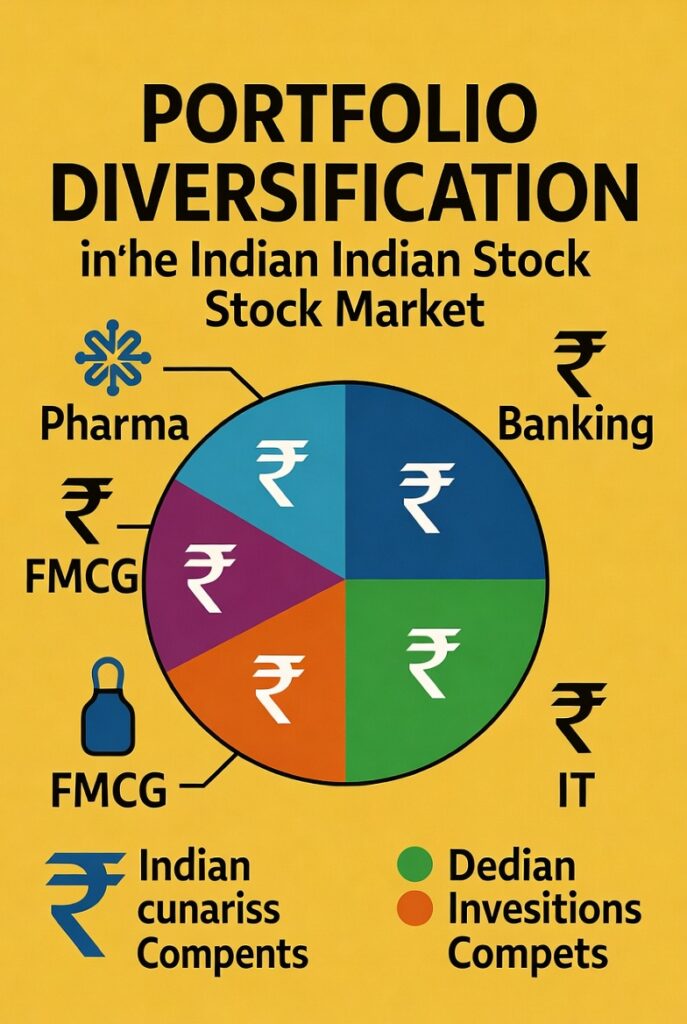
1. Diversification: Never Put All Eggs in One Basket Diversification means spreading your money across different stocks, sectors, and asset classes. Instead of buying only one company like Tata Motors, invest in 8-12 different companies from banking, IT, FMCG, pharmaceuticals, and automobiles.
The easiest way for beginners is to start with Nifty 50 or Sensex index funds and large-cap mutual funds. This way, even if one sector suffers, others can balance it out. Diversification is one of the simplest and most effective risk management techniques in stock market.
2. Always Use Stop-Loss Orders A stop-loss is an automatic order that sells your stock if the price falls to a certain level. For example, if you buy a share at ₹200, you can set a stop-loss at ₹180 (10% below). If the price drops to ₹180, the stock is sold automatically and your loss is limited.
This simple tool removes emotions from trading and is available on every Indian broker app. It is a must-have for new investors.

3. Start Investing with SIPs in Mutual Funds Instead of putting a large amount at once, use Systematic Investment Plans (SIPs). You can start with just ₹500 per month. SIPs help you buy more units when prices are low and fewer when prices are high, averaging out your cost.
Large-cap and index funds are perfect for beginners. Apps like Groww and Zerodha make SIPs super easy.

4. Follow Proper Asset Allocation Do not invest 100% of your money in stocks. A good mix for young investors could be:
- 60-70% in equity (stocks/mutual funds)
- 20-30% in debt (fixed deposits, bonds, PPF)
- 10% in gold or international funds
This balanced approach protects you during big market crashes.
5. Invest Only What You Can Afford to Lose Never use money that you need for rent, education, or emergencies. First build an emergency fund of 6 months’ expenses in a savings account. Only then start investing in the stock market.
Best Tools and Tips for Safe Investing in India in 2026
- Open your demat and trading account with trusted brokers like Zerodha, Groww, or Upstox.
- Learn the basics for free on Zerodha Varsity (highly recommended).
- Use Moneycontrol and NSE India websites for research.
- Check company fundamentals: profits, debt, and PE ratio.
- Review your portfolio every 3-6 months, but don’t check prices every day.
- Avoid WhatsApp stock tips and TV expert advice that creates panic.
Common Mistakes New Investors Make and How to Avoid Them
Many beginners:
- Invest without any plan
- Trade daily instead of long-term investing
- Ignore brokerage fees and taxes (STCG and LTCG)
- Follow herd mentality during bull markets
- Forget to rebalance their portfolio
By following the strategies above, you can easily avoid these costly mistakes.
Final Thoughts: Start Your Safe Investing Journey Today
Risk management in stock market for new investors is not rocket science. It is about discipline, patience, and simple rules that anyone can follow.
If you diversify, use stop-loss, start SIPs, maintain asset allocation, and invest only what you can afford, you will be able to handle market ups and downs confidently.
Small, consistent steps taken today can create serious wealth for your future. The Indian stock market has rewarded patient and disciplined investors for decades.
At InfoPlay, we are committed to making finance simple and fun for every Indian.
Sign up for our free newsletter below and get weekly beginner-friendly stock market tips, mutual fund recommendations, and practical guides delivered straight to your inbox.
Start small, stay safe, and keep learning. Your future rich self will thank you!
Disclaimer: This article is for educational purposes only and is not financial advice. Stock market investing involves risk of loss of capital. Past performance is no guarantee of future results. Please consult a certified financial advisor before making any investment decisions.
Related Articles: