Introduction
Are you new to the world of investing and wondering where to start? The stock market can seem intimidating at first, but understanding its basics is the first step towards becoming a successful investor. In this guide, I’ll walk you through the stock market basics for beginners and show you how to start investing in stocks with confidence.
Whether you’re looking to build long-term wealth or just curious about how the stock market works, this article will provide you with the essential information you need to get started.
What is the Stock Market?
The stock market is a place where investors buy and sell shares of publicly traded companies. When you buy a share, you’re essentially purchasing a small ownership stake in that company. The stock market is where these transactions occur, and it’s a vital part of the economy, allowing companies to raise capital and giving individuals the opportunity to invest in those companies.
Key Stock Market Terms to Know:
- Shares/Stocks: Pieces of ownership in a company.
- Broker: A professional who helps buy and sell stocks.
- Ticker Symbol: A unique symbol that identifies a stock.
- Bull Market: A period when stock prices are rising.
- Bear Market: A period when stock prices are falling.
How to Start Investing in Stocks: A Step-by-Step Guide
1. Choose a Stock Broker
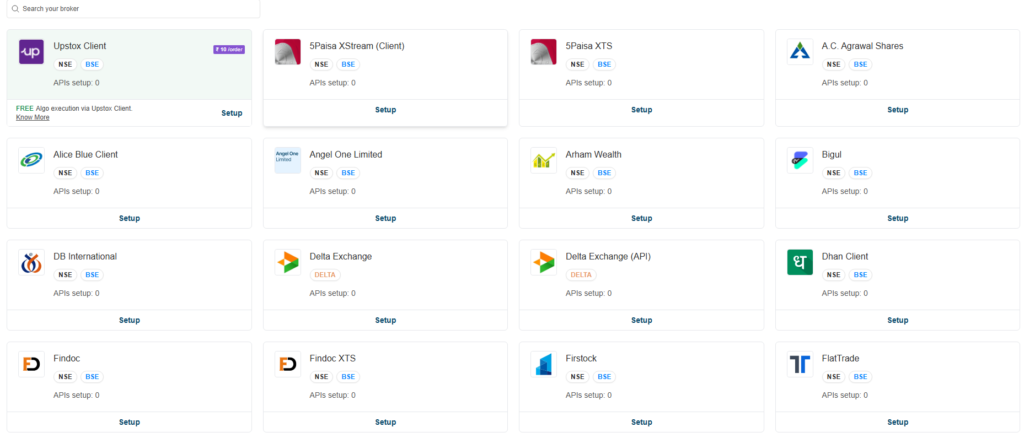
Before you can start investing in the stock market, you’ll need a stock broker. A broker acts as a middleman between you and the stock market. Today, many brokers offer easy-to-use platforms that allow you to buy and sell stocks online.
- Full-service brokers provide personalized advice and charge higher fees.
- Discount brokers are cheaper and allow you to trade on your own.
Some popular online brokers include Robinhood, TD Ameritrade, and E*TRADE. Choose one that fits your needs based on fees, features, and investment options.
2. Open a Brokerage Account
Once you’ve chosen a broker, the next step is to open a brokerage account. This is where you’ll deposit your money to buy stocks. Think of it as a savings account, but instead of earning interest, you’re investing your money in the stock market.
Most brokers require some basic information like your name, address, social security number, and income details. Some brokers also offer demo accounts where you can practice trading without using real money.
3. Understand Different Types of Stocks
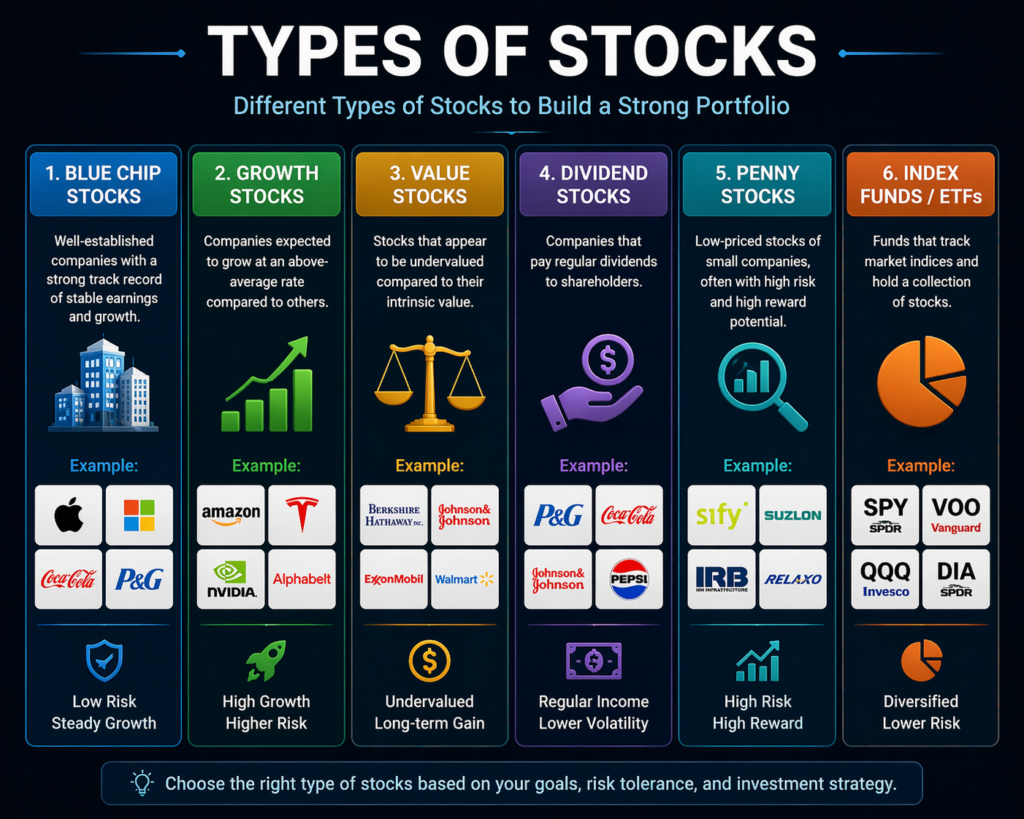
There are many types of stocks you can invest in. Here are a few of the most common:
- Common Stocks: These stocks allow you to vote at shareholder meetings and receive dividends.
- Preferred Stocks: These stocks offer fixed dividends but usually don’t give you voting rights.
- Dividend Stocks: These stocks pay out part of their profits to investors in the form of dividends.
4. Start Small and Diversify Your Portfolio
If you’re a beginner, it’s a good idea to start small. Don’t put all your money into one stock. Instead, invest in a diversified portfolio. This means spreading your investments across different types of stocks, sectors, and even asset classes (like bonds and mutual funds). Diversification helps reduce risk and increases your chances of earning consistent returns.
Example of Diversified Portfolio:
- 50% in large-cap stocks
- 30% in growth stocks
- 20% in dividend stocks
5. Monitor Your Investments Regularly
After you’ve purchased stocks, it’s important to monitor them regularly. You don’t need to check your stocks every day, but staying informed about market trends and company performance is crucial. Consider setting up alerts with your broker to notify you when there’s significant movement in the stock prices.
Types of Stock Market Investments
While stocks are the most popular form of investment in the stock market, there are other options available:
- Exchange-Traded Funds (ETFs): These are investment funds that hold a diversified portfolio of stocks and other assets. They are an excellent option for beginners looking to invest in multiple stocks without choosing individual companies.
- Mutual Funds: These are similar to ETFs but are managed by professional fund managers. They pool money from many investors to buy a diversified portfolio of stocks, bonds, or other assets.
Why Invest in the Stock Market?
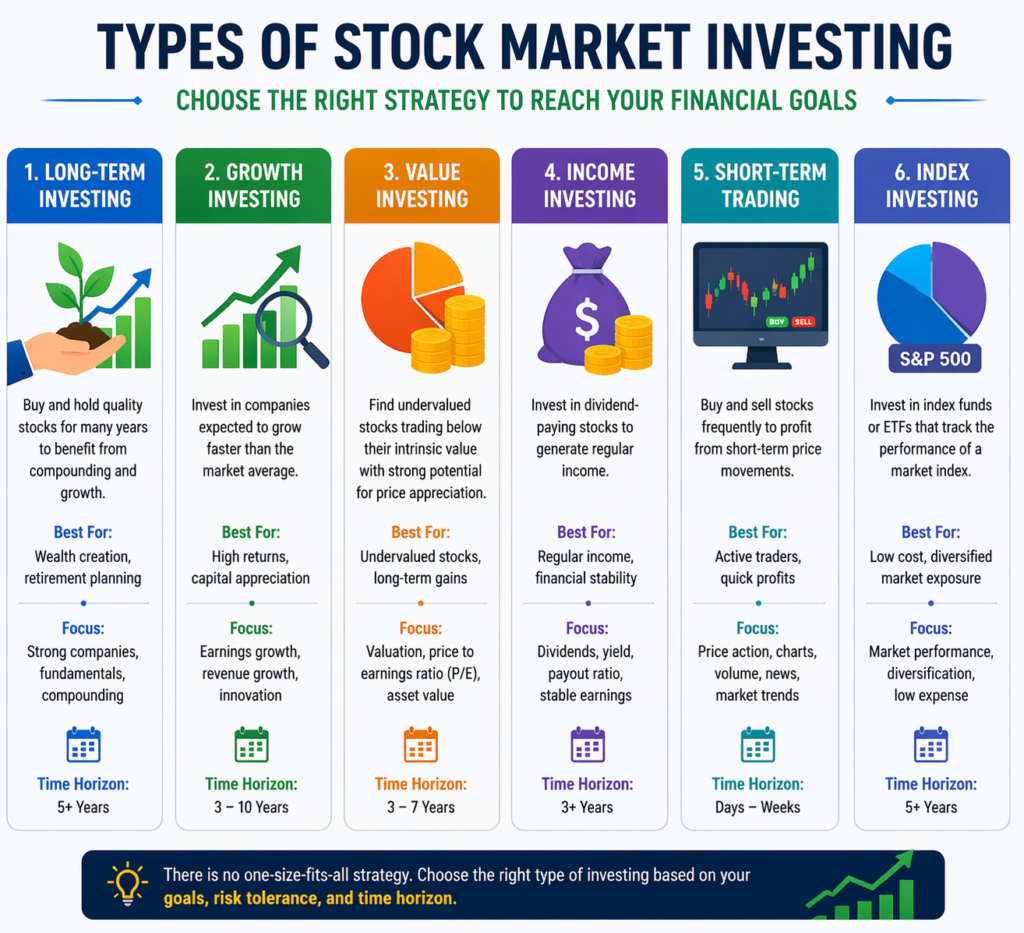
The stock market offers an opportunity for long-term wealth building. Historically, the stock market has outperformed other investments like bonds or savings accounts, although it comes with its own risks. Here are some reasons why you should consider investing in stocks:
- Potential for Growth: Stocks have the potential for higher returns compared to other investments like bonds or savings accounts.
- Dividend Income: Some stocks pay dividends, providing you with a regular income stream.
- Ownership in Companies: When you invest in stocks, you own a piece of the company and can benefit from its growth and success.
Stock Market Risks Every Investor Should Know
While investing in the stock market can be profitable, it comes with risks. Stock prices fluctuate due to various factors, including the economy, interest rates, and company performance. Here are some risks to be aware of:
- Market Volatility: Stock prices can rise and fall rapidly, making it hard to predict short-term returns.
- Company-Specific Risks: Investing in a single company can be risky. If the company performs poorly, you could lose money.
- Inflation Risk: Inflation can erode the value of your investments over time.
Ways to Manage Risk:
- Diversify Your Portfolio: Spread your investments across different types of assets.
- Invest for the Long-Term: Stock market returns tend to improve over the long term.
- Do Your Research: Make informed decisions by researching stocks and companies thoroughly.
Conclusion
The stock market offers incredible opportunities for wealth-building, but it’s essential to understand the basics before you dive in. Start small, diversify your investments, and focus on long-term growth. With the right approach, you can achieve success in the stock market and build the financial future you desire.
Key Takeaways:
- Start with a reputable broker.
- Invest in a diversified portfolio to reduce risk.
- Monitor your investments regularly to stay on track.
- Educate yourself and continue learning about the stock market.
If you’re ready to begin your investing journey, take the first step today and start exploring the stock market!