
How to Start Investing in Stocks with Little Money in 2026 yes, you read that right. In 2026, you don’t need lakhs of rupees, a finance background, or big risks to begin building wealth in the Indian stock market. Thanks to zero-brokerage platforms, low-cost ETFs, SIPs in mutual funds, and easy demat accounts, anyone in India can start investing with as little as ₹100–₹500 per month.
Whether you’re a student, salaried employee, homemaker, or small business owner, this complete step-by-step guide shows you exactly how to start investing in stocks with little money in 2026. We’ll cover the best Indian platforms, proven strategies, smart first investments in Nifty/Sensex ETFs, and mistakes to avoid all tailored for Indian investors.
Read: Stock Market Basics for Beginners: A Simple Guide
Why 2026 Is the Best Year to Start Investing with Little Money in India
Barriers to stock market entry have never been lower:
- Zero brokerage on equity delivery at top brokers
- SIP starting at ₹100 in index funds and ETFs
- Low-cost Nifty 50 & Sensex ETFs for instant diversification
- Paperless account opening in minutes via Aadhaar + PAN
Historical data of Nifty 50 shows long-term average returns of 12–15% annually. Starting small and staying consistent can turn modest monthly investments into significant wealth over 10–20+ years through the power of compounding and rupee cost averaging.
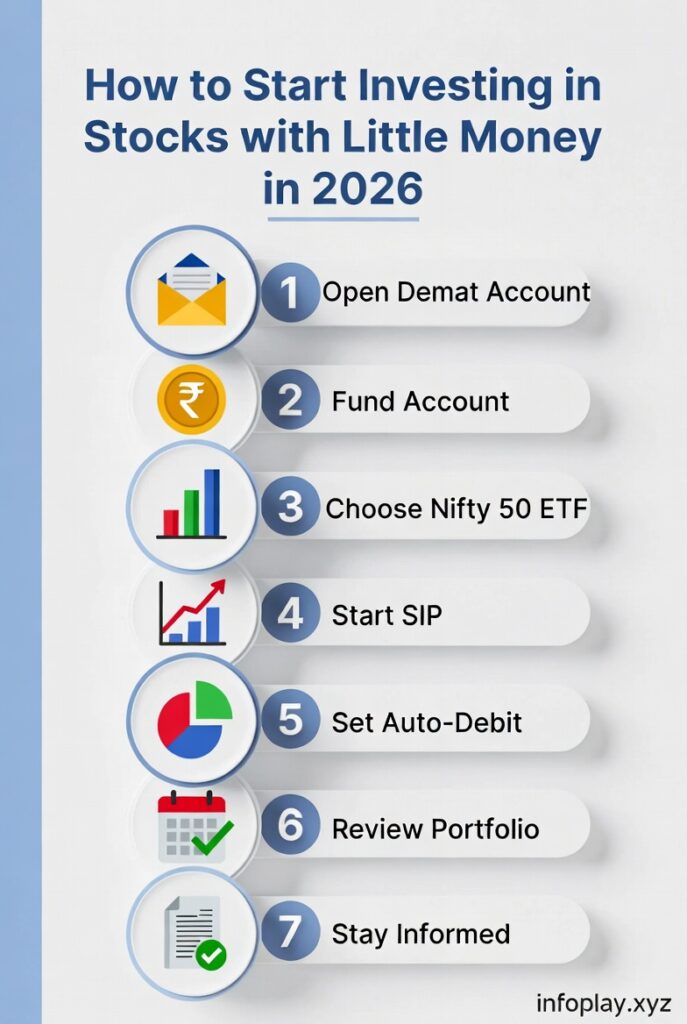
Step-by-Step: How to Start Investing in Stocks with Little Money in 2026 (India)
Step 1: Get Your Financial Foundation Right (1–2 Weeks)
Before investing:
- Build an emergency fund (3–6 months’ expenses in a savings account or liquid fund)
- Pay off high-interest debt (credit cards >18% interest)
- Set a monthly budget you can stick to
Pro tip: Start with whatever you can even ₹500 per month. Consistency is more important than the amount.
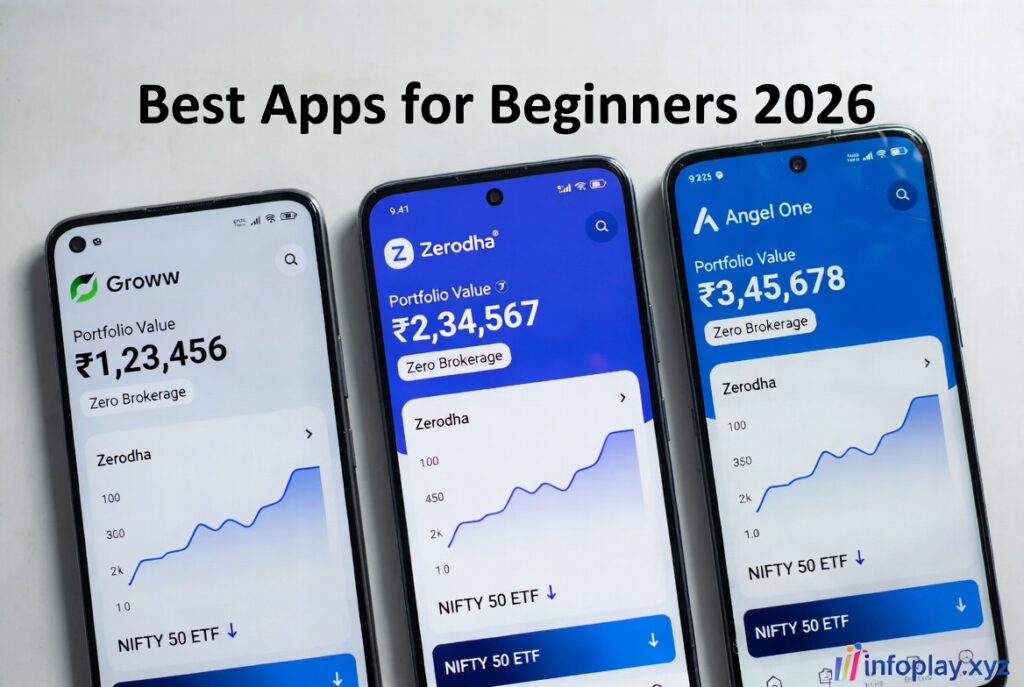
Step 2: Choose the Right Broker/App for Beginners in India 2026
Here’s a comparison of the best platforms for small investors:
| Broker/App | Brokerage (Delivery) | Account Opening | Best For | Standout Feature in 2026 | Rating |
|---|---|---|---|---|---|
| Groww | ₹0 | Free | Absolute beginners | Super simple app + mutual funds/ETFs | 4.9 |
| Zerodha | ₹0 | ₹200 (one-time) | Learning + long-term | Kite platform + Varsity education | 4.8 |
| Angel One | ₹0 | Free | Beginners + advisory | Free tips & easy interface | 4.7 |
| Upstox | ₹0 | Free | Mobile users | Fast execution + charts | 4.7 |
| m.Stock / Dhan | ₹0 | Free | Low-cost investors | Zero brokerage plans | 4.6 |
Recommendation for most beginners: Start with Groww (easiest) or Zerodha (best education).
Step 3: Open a Demat + Trading Account (10–15 Minutes)
- Download the app (Groww, Zerodha Kite, etc.)
- Enter mobile number → Complete e-KYC with Aadhaar + PAN
- Link your bank account (UPI/Savings)
- Account activates in 1–2 days (often same day in 2026)
You need a demat account to hold shares electronically — mandatory in India and regulated by SEBI.
Step 4: Fund Your Account with Small Amounts
- Start with ₹500–₹1,000
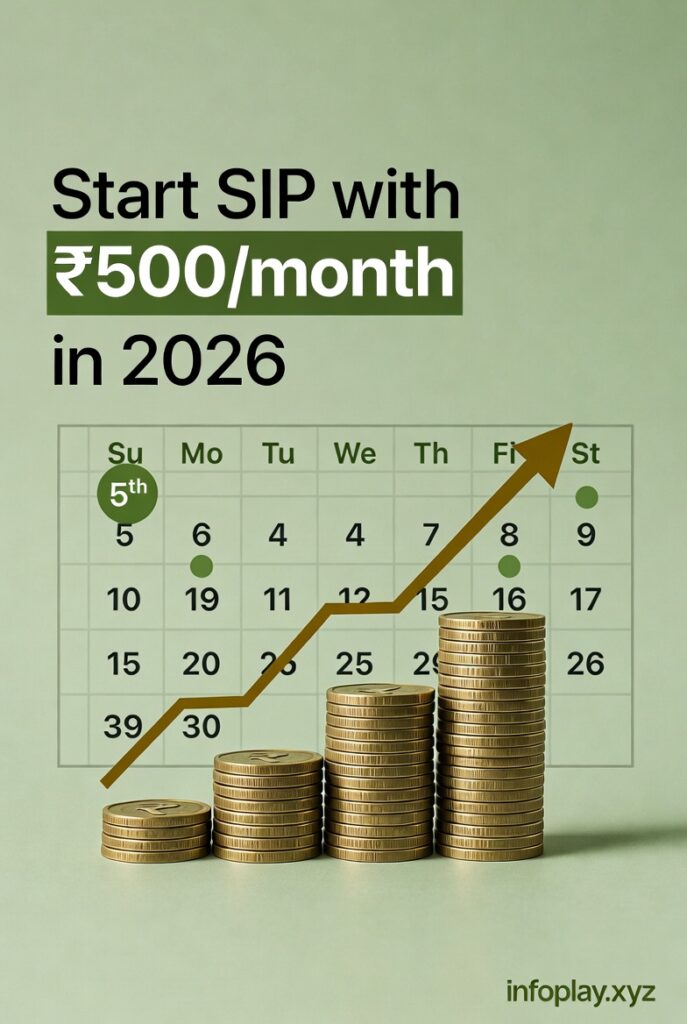
- Set up monthly SIP/auto-invest via UPI
- Use “round-up” or spare change features available on some apps
Step 5: Choose Your First Investments (Keep It Simple)
For small amounts, avoid single stocks initially. Focus on broad-market ETFs and index funds for diversification.
Top beginner-friendly ETFs/Index Funds in India 2026:
| ETF / Fund | Tracks | Expense Ratio | Why Good for Beginners |
|---|---|---|---|
| Nippon India Nifty 50 BeES | Nifty 50 | ~0.05% | Exposure to top 50 Indian companies |
| SBI Nifty 50 ETF | Nifty 50 | Very low | High liquidity, low cost |
| UTI / SBI Sensex ETF | BSE Sensex | Low | 30 largest & stable companies |
| Motilal Oswal Nifty 500 | Broader market | Low | More diversification |
Simple starter portfolio with little money:
- 70–80% in Nifty 50 ETF
- 10–20% in Next 50 or Midcap ETF (for growth)
- 10% in Gold ETF or Debt for stability
Step 6: Use Rupee Cost Averaging (India’s Power Tool)
Invest a fixed amount (e.g., ₹1,000) on a fixed date every month. This buys more units when prices are low and reduces average cost.
Step 7: Set It and (Mostly) Forget It
- Enable auto-SIP
- Review portfolio once a quarter
- Rebalance once a year
- Hold for 5+ years for best results
Advanced Tips for Indian Investors in 2026
- ELSS Mutual Funds — Save tax under 80C while investing in stocks
- PPF + Equity combination for balanced long-term growth
- Direct Mutual Funds via Groww/Zerodha Coin (lower expense ratio)
- Tax: Long-term capital gains (>1 year) taxed at 12.5% above ₹1.25 lakh (2026 rules)
Common Mistakes Beginners Make with Little Money
- Buying “tip” stocks or penny stocks
- Checking portfolio daily and selling in panic
- Investing emergency money
- Ignoring fees (stick to zero-delivery brokerage)
Real Example: ₹1,000/Month in 2026
If you invest ₹1,000 every month in a Nifty 50 ETF at ~12–14% average annual return:
- After 10 years: ≈ ₹2.3–2.6 lakh
- After 20 years: ≈ ₹7–9 lakh+
- After 30 years: Over ₹20–25 lakh+
Small steps + time = big results.

FAQ: How to Start Investing in Stocks with Little Money in 2026 (India)
How much money do I need to start in India? You can start with ₹100–₹500 via SIPs in ETFs/mutual funds.
Is it safe for beginners? Yes, if you invest in SEBI-regulated brokers and diversified index ETFs. Markets fluctuate, but long-term holding reduces risk.
Which is better: Stocks or Mutual Funds/ETFs? Start with ETFs/Index funds for beginners. Move to individual stocks later.
Do I need to pay tax on gains? Yes — LTCG tax applies above exemption limit. Use tax-harvesting strategies wisely.
Can NRIs invest? Yes, but through separate NRE/NRO accounts. Residents use normal demat.
How to avoid losses? Diversify, invest only surplus money, think long-term (5+ years), and never stop SIPs during market falls.
Ready to Take Action Today?
- Download Groww or Zerodha app
- Open demat account (free/paperless)
- Start a ₹500–₹1,000 monthly SIP in Nifty 50 ETF this week
How to Start Investing in Stocks with Little Money in 2026 is now easier than ever for every Indian.
Start small. Stay consistent. Let compounding work for you.
Bookmark this guide and revisit as your portfolio grows. Your future self (and family) will thank you.
Last updated: April 2026. This is for educational purposes. Consult a SEBI-registered advisor for personalized advice. Past performance is not a guarantee of future results.
Pingback: Risk Management in Stock Market for New Investors: A Simple Beginner’s Guide - infoplay.xyz